The Evolution of Artificial Grass
From green mats to natural-looking grass
Early artificial grass consisted of simple, flat green mats that lacked the look and feel of natural grass. Manufacturers improved realism by increasing fiber height. This innovation created longer fibers that required support mechanisms.
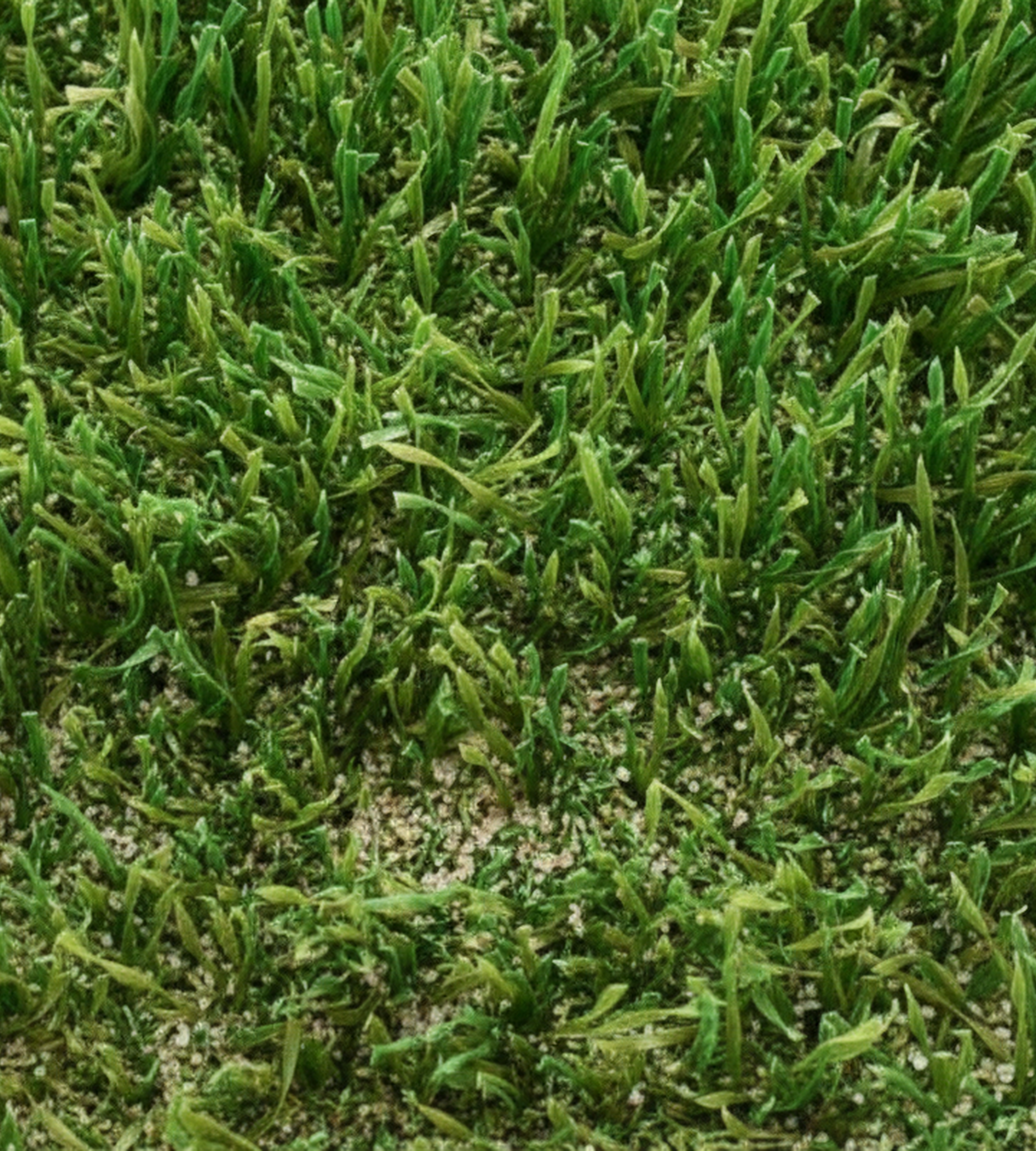
The solution involved introducing sand infill, which served multiple purposes: keeps fibres upright, adds weight to prevent movement, increases durability under heavy use, and improves sports performance (bounce, stability, shock absorption).
Sand-Filled Systems
Sports fields including football, tennis, and hockey almost always require sand infill to meet performance standards.
Benefits of sand infill:
- Keeps fibers upright
- Adds weight to prevent movement
- Increases durability under heavy use
- Improves sports performance
Non-Infill Artificial Grass
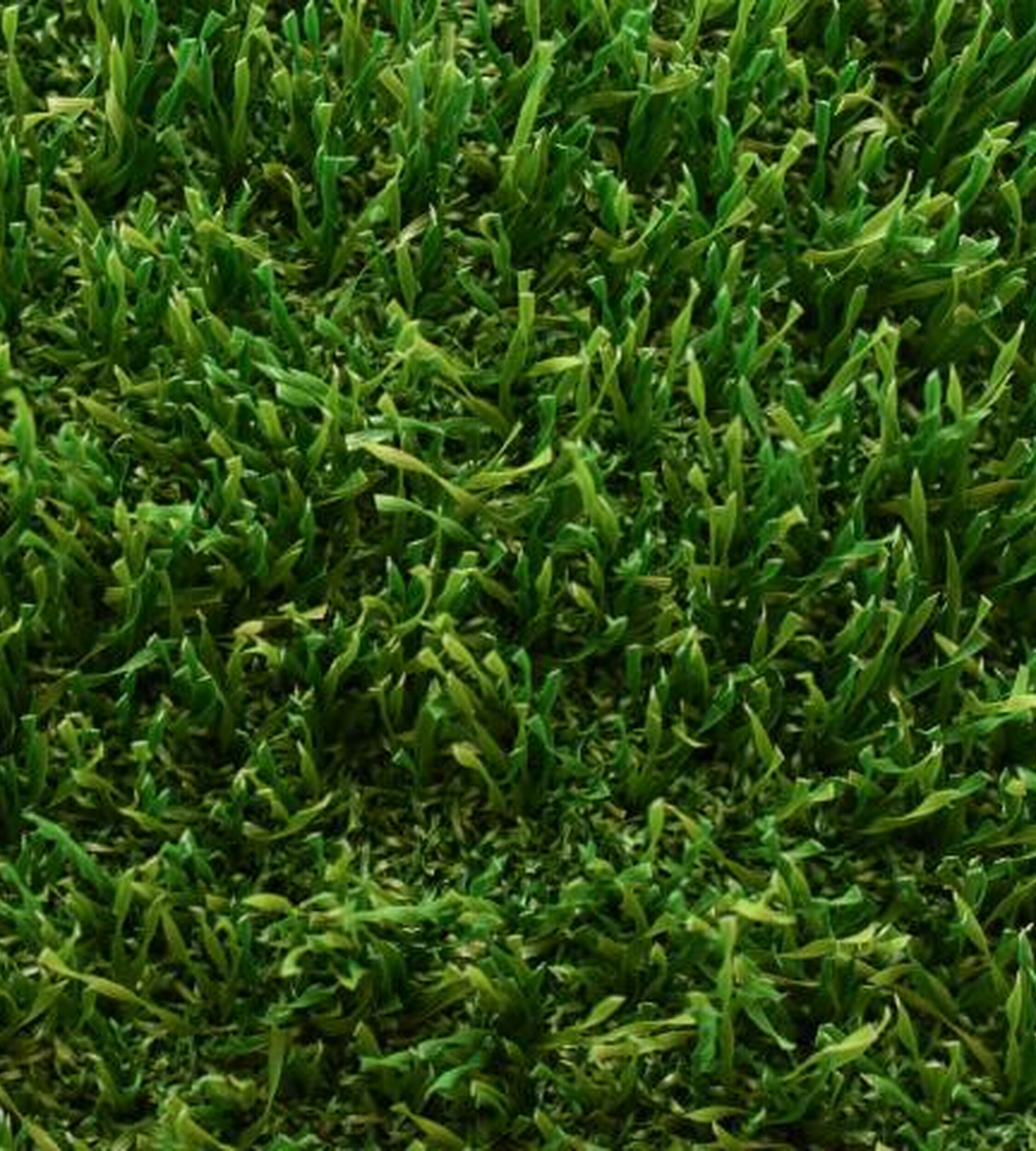
In 2008, manufacturers developed non-infill systems using crimped support fibre woven into the grass backing. A soft, curly fibre is added between the straight fibres. This helps support the pile (so it stands upright), creates a fuller, more natural look, and eliminates the need for sand infill in landscaping applications.
Namgrass was a pioneer in this technology, helping bring high-quality non-infill systems to the European market.
Applications for non-infill grass:
- Private gardens
- Balconies and roof terraces
- Small or irregular areas
- Indoor spaces
- Showrooms
- Trade fairs
- Temporary installations
Brief History of Artificial Turf
1960s - The Beginning
Artificial turf was invented as a sports alternative to natural grass, addressing maintenance challenges in indoor stadiums.
1964-1968 - First Installations
First "Astroturf" installations in Astrodome Stadium, Texas, marking the beginning of artificial turf in professional sports.
1980s - Major Improvements
Significant improvements were made for skin-friendliness and durability, making artificial grass safer and longer-lasting.
1990s - Residential Use (USA)
Introduction of artificial grass for residential landscaping in the United States, expanding beyond sports applications.
2000 - European Expansion
High-pile landscape grass gained popularity in Europe, bringing natural-looking artificial lawns to residential markets.
Since 2008 - Non-Infill Revolution
Non-infill systems with crimped fibers were introduced, eliminating the need for sand in residential applications and making installation easier.
Advantages of Artificial Grass
Minimal Maintenance
Save time and money with minimal maintenance requirements. No mowing, watering, fertilizing, or weeding needed. No garden equipment storage required.
Environmental Benefits
Zero water usage, no fertilizers, no pesticides, no water waste. Many products are recyclable. Environmentally friendly choice for modern landscaping.
Evergreen Appearance
Remains green in shade or extreme weather. Suitable where natural grass struggles. Always neat and mud-free appearance all year round.
Family & Pet Friendly
Clean surface ideal for children, pets, and pool areas. Less pest exposure. No pollen-related allergies. Safe and comfortable for the whole family.
Cost Effective
Highly durable with long lifespan. More cost-effective long-term. Adds property value. Easy to remove and reuse for temporary setups.